
Leave Your Message
You know, as our energy world is changing, Methane Gas Generators are really starting to stand out as a key player in the push for sustainable energy. The International Energy Agency (IEA) has pointed out that methane is making waves in the global power generation scene, with expectations that its usage will surge by more than 25% by 2025. This shift is all about the growing demand for cleaner energy sources and making the most out of natural gas. A company like TECHIE Inc., which is a big name in ignition systems for stationary gas engines, is right there in the thick of it, providing more than 95% coverage for different gas engine models, including GE Jenbacher, MWM, and CAT. So, as businesses consider hopping on the methane gas generator train, it’s super important to stay updated on the latest innovations and have a solid procurement checklist to optimize performance and ensure their energy systems are reliable. This blog is going to dive into some of the coolest advancements in methane gas generators and offer some market insights that are really going to help when it comes to making smart energy procurement decisions.
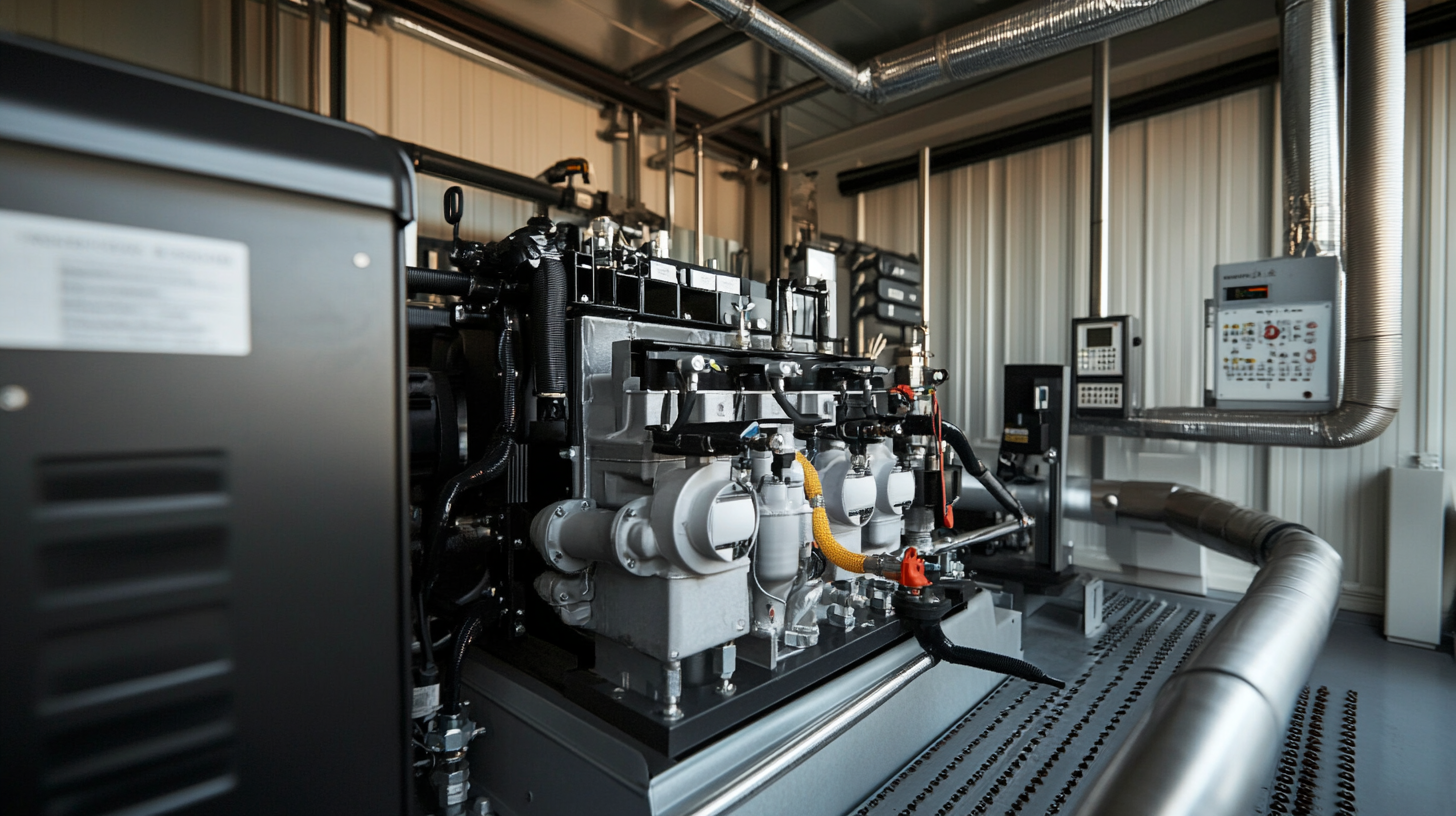
As we gear up for 2025, the methane gas generator market is really buzzing with cool innovations thanks to some up-and-coming technologies that are all about boosting efficiency and making things more sustainable. Recent reports from the International Energy Agency are saying that by the end of 2025, the global methane generation capacity is expected to hit a whopping 600 terawatt-hours (TWh). This definitely shows that we’re relying more on cleaner energy sources than ever before. Among the standout breakthroughs are some advanced gasification techniques and next-gen biogas systems that use organic waste to crank out methane, which is a great way to cut down on greenhouse gas emissions.
But wait, there’s more! The surge of Internet of Things (IoT) applications in methane gas generators is super important for optimizing how these systems perform and keeping up with maintenance. A recent MarketsandMarkets report predicts that the IoT in energy markets will rocket from $17.5 billion in 2020 to over $35 billion by 2025. That’s a pretty clear sign that we’re moving towards smarter and more data-driven solutions. These innovations don’t just ramp up efficiency; they also let operators monitor things in real-time, which helps cut down on downtime and makes everything run more smoothly. So as procurement teams get ready for what’s next, understanding these new technologies is going to be key for making smart decisions in the ever-evolving methane gas generator world.
This pie chart illustrates the market share of various emerging technologies in methane gas generators for 2025, showcasing the distribution among different innovations.
Looking ahead to 2025, there are some big trends shaping the world of methane gas generators that we can’t ignore. First off, environmental regulations are really tightening up. Governments everywhere are rolling out tougher emissions standards to tackle climate change, which means industries are on the hunt for cleaner energy solutions. This shift not only emphasizes the need for adopting methane generators as a viable green energy source but also creates a bustling market packed with cool, innovative options designed to meet these new rules.
Another major player in this arena is the rapid rise of technology when it comes to methane generation. We’re seeing massive improvements in efficiency and reliability, thanks to ongoing research and development. These upgraded methane gas generators are definitely catching the eye of manufacturers and energy providers. You’ve got advancements like better combustion processes and smarter integration with renewable energy sources, which are setting the stage for really effective methane management. So as companies gear up for procurement, keeping an eye on these tech trends will be super important for making smart investments that line up with both their operational goals and their sustainability targets.
The world of methane gas generators is changing pretty quickly these days. It’s exciting to see some real progress when it comes to performance, especially in areas like efficiency and emissions. Just take a look at the latest reports – they say that these new methane systems can hit an impressive efficiency rate of up to 90%! That’s a solid 15% jump compared to models from just a few years ago. This kind of improvement not only boosts the energy we’re getting out but also shows that the industry is really stepping up its game on sustainability. When efficiencies go up, we waste less methane and can harness a lot more energy for useful stuff.
And let’s not forget about emissions. Modern methane gas generators are doing a fantastic job at cutting down the bad stuff. The International Energy Agency (IEA) indicates that we’re seeing emissions drop by as much as 30% thanks to some cool new technologies. A lot of this has to do with advances in combustion tech and the use of real-time monitoring systems that make it easy to tweak operations. This helps keep emissions well within the limits set by regulations. So, if procurement teams are thinking about investing in these cutting-edge systems, being aware of these performance metrics is going to be super important. It’s all about balancing economic benefits with environmental goals, right?
You know, lately there's been a real spotlight on methane gas generators, and honestly, it's for a good reason. They might just have what it takes to help us tackle climate change. I mean, the numbers are pretty eye-opening: by the end of 2019, about 65% of the global warming effects that we blame on carbon dioxide actually came from methane emissions caused by human activity! Crazy, right? With organizations on the hunt for budget-friendly solutions, it’s super important to grasp the costs involved in getting those cutting-edge methane gas generation technologies. And here’s the kicker—the prices for renewable energy tech have really plummeted over the last decade, which could totally shift how we look at methane solutions going forward.
On top of that, we’ve got carbon capture and storage (CCS) technologies stepping in as a key player in cutting down greenhouse gas emissions, especially in industries that rely heavily on methane. There are reports out there indicating that while we definitely need to invest in CCS, we really can’t overlook the swift progress in renewable energy. It’s like we need to take a step back and rethink the overall cost picture for these technologies.
Take, for example, those budget cuts in government programs like the proposed $2.5 billion reductions for zero-emission vehicle initiatives in 2023-24. Organizations are going to have to be super strategic with their procurement plans if they want to make a real impact while working within those tighter financial limits. We're in a landscape that calls for some shrewd budgeting to keep up with our urgent need for sustainable energy solutions.

Hey there! As we look ahead to 2025, we’re definitely going to see some big shifts in the methane generator market, thanks to new regulations. More and more, governments are zeroing in on cutting down greenhouse gas emissions, and guess what? Methane generators are super important in helping us move towards cleaner energy options. We’re likely to see tighter emissions standards, more incentives for going green, and policies that push for better energy efficiency. If you’re in the methane generation business, you’ll want to keep a close eye on these changes so you can stay compliant and really make the most of your operations.
A little tip: make sure you keep up with the local regulations that could affect how you plan your procurement. Regularly checking in on government announcements and policy updates could help you spot some cool opportunities—or even challenges—for your business.
And you know what? All this regulatory tightening might actually spark some innovation in the industry. Manufacturers will probably step up by creating more efficient and eco-friendly generator technologies. We could see some great advances in how we capture and use methane, plus some smart tech thrown in for better performance monitoring.
So here’s another tip: think about investing in technologies that not only fit the upcoming regulations but also boost how efficiently you run things. Partnering with suppliers who are all about innovation can really help you stay ahead in this changing market.
| Innovation | Description | Expected Benefit | Regulatory Impact |
|---|---|---|---|
| Smart Monitoring Systems | Real-time data analysis for efficiency optimization. | Increased operational efficiency and reduced costs. | Compliance with environmental monitoring standards. |
| Hybrid Energy Solutions | Integration of renewable sources with methane generators. | Enhanced sustainability and energy resilience. | Encouraging regulatory frameworks for clean energy. |
| Advanced Catalytic Converters | New materials improving conversion rates. | Lower emissions and higher fuel efficiency. | Complying with stricter emission regulations. |
| Modular Generator Design | Flexible units that can be scaled according to demand. | Cost-effective and efficient operation. | Facilitates adoption of new standards and implementations. |
| Carbon Capture Technology | Systems designed to capture CO2 during gas generation. | Significantly reduces greenhouse gas emissions. | In line with global climate initiatives and regulations. |
You know, with more and more people pushing for cleaner energy sources these days, methane gas generators are really stepping up to the plate when it comes to sustainability. It's pretty impressive—experts predict that the global market for methane is gonna hit a whopping $2.6 billion by 2025! That’s a huge leap, especially since a lot of focus is being placed on improving environmental standards. Recent reports have shown that by using advanced emissions monitoring systems, we could slash methane leaks by around 30%. That’s tackling one of the big issues we face with gas production and its use! These tech advancements not only help with sticking to regulations but also make operations run more smoothly.
And here’s something else to consider: merging renewable natural gas (RNG) into the existing methane setups is a game-changer for sustainability. A study from the American Gas Foundation revealed that switching to RNG can cut greenhouse gas emissions by a staggering 70% compared to the old-school fossil fuels. As businesses scramble to comply with tougher environmental rules, investing in super-efficient methane gas generators that can handle RNG is gonna be key. Not only does this keep them in line with regulations, but it also puts them in the driver’s seat as leaders in the shift towards a sustainable energy future.

: By 2025, significant innovations in methane gas generators include advanced gasification techniques and next-generation biogas systems that utilize organic waste for methane production, aimed at enhancing efficiency and sustainability.
IoT applications are optimizing performance and maintenance in methane gas generators, providing real-time monitoring capabilities that reduce downtime and improve operational reliability.
The IoT in energy markets is anticipated to grow from $17.5 billion in 2020 to over $35 billion by 2025.
Understanding the budget implications is essential due to the declining costs of renewable energy technologies and the need to maximize impact while adhering to tighter financial constraints.
CCS technologies are crucial for reducing greenhouse gas emissions in sectors reliant on methane, although careful assessment of overall costs is necessary as renewable energy advancements progress.
Regulatory changes will likely include stricter emissions standards, incentives for renewable energy adoption, and policies promoting energy efficiency, significantly shaping the market landscape.
Companies should stay informed about regulatory changes, regularly review government announcements, and adapt their operations to ensure compliance and optimize performance.
Stricter regulations are expected to drive innovation, leading manufacturers to develop more efficient and environmentally friendly generator technologies, including advancements in methane capture and smart technology integration.
Organizations should invest in technologies that comply with upcoming regulations while enhancing operational efficiency, and engage with innovative suppliers to remain competitive in the evolving market.